Estate Planning Essentials: Educating UAE Families on Wealth Transfer
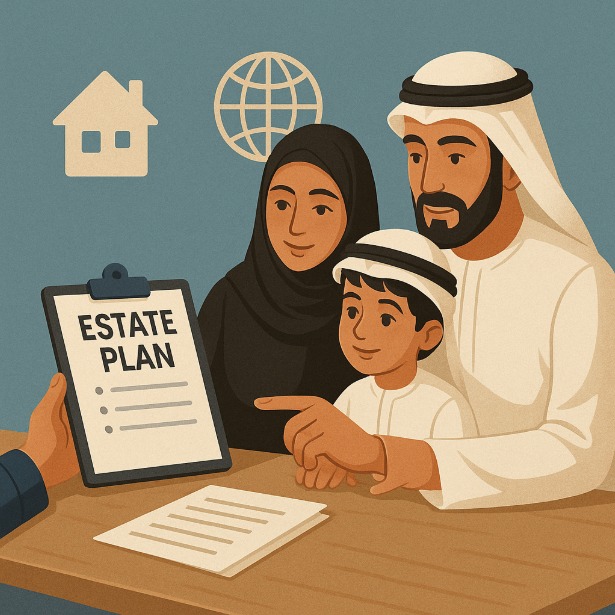
In a region where family and legacy are central to culture and values, estate planning in the UAE is becoming more than a financial necessity—it’s a vital family responsibility. As wealth grows across generations, understanding how to manage and transfer it efficiently is key to long-term security and prosperity.
This guide explores the essentials of estate planning and why wealth transfer education is critical for UAE families.
What Is Estate Planning?
Estate planning is the process of arranging how your assets—property, investments, businesses, and other valuables—will be preserved, managed, and transferred after your lifetime. In the UAE, this can be complex due to the interplay of Sharia law, expat regulations, and offshore structures.
Why Estate Planning Matters in the UAE
1. Family Protection
Without a clear estate plan, families may face uncertainty and legal complications. Planning ahead ensures that your loved ones are protected and your wishes are honored.
2. Cross-Border Assets
Many UAE residents own assets in multiple countries. Estate planning helps structure these holdings to avoid delays, tax issues, or disputes.
3. Business Succession
For family businesses, a structured wealth transfer education program and plan help avoid disruption and preserve business continuity.
Educating Families on Wealth Transfer
One of the most overlooked aspects of estate planning is family financial education. Here’s why this matters:
- Empowering the Next Generation: Teaching children and heirs how to manage and grow wealth prepares them for responsibility.
- Reducing Conflict: Transparent communication about inheritance reduces misunderstandings and legal disputes.
- Aligning Family Values: Education fosters shared values about money, legacy, and stewardship.
Key Elements of an Effective Estate Plan
To get started with estate planning in the UAE, consider the following steps:
-
Inventory Your Assets – Document all properties, investments, bank accounts, and valuable items.
-
Create a Will – A legally recognized will (possibly registered with DIFC Wills Service for non-Muslim expats) is essential.
-
Set Up Trusts or Foundations – These tools can help manage and protect wealth across generations.
-
Assign Guardianship – Especially important for families with minor children.
-
Seek Professional Advice – UAE regulations vary for nationals and expats; local legal and financial advisors are key.
A Lasting Legacy Starts with a Conversation
More than documents and numbers, estate planning is about values, vision, and family. Whether you’re a UAE national or an expatriate, investing in wealth transfer education ensures your legacy lasts—not just for your children, but for generations to come.
Final Thoughts
Estate planning is no longer just for the ultra-wealthy. In today’s UAE, it’s an essential part of family finance. Start the conversation now, educate your loved ones, and build a future that reflects your values and hard-earned success.
Note : For educational purposes only. Not advice.

 Facebook
 Tweet
Tweet Linkedin